

Managing diabetes
The significance of diabetes management
Effective diabetes care hinges on close collaboration with your diabetes healthcare team, as they are dedicated to supporting you in self-managing your diabetes.
The primary figure in this team is YOU, as the decisions made will directly impact your well-being. Assuming responsibility for your diabetes empowers you to manage the condition more effectively, so don't hesitate to ask questions and seek further information when needed.

Symptoms of type 2 diabetes
Type 2 diabetes develops at a slower pace compared to type 1 diabetes. Many individuals either experience no symptoms or fail to recognize them. However, there are certain signs to be mindful of, such as:
Frequent urination, especially during the night
Increased fatigue due to insufficient glucose reaching your cells for energy
Unintentional weight loss
Genital itching or thrush
Delayed healing of cuts and wounds
Blurred vision
Excessive thirst
These symptoms may indicate the presence of type 2 diabetes and should be given proper attention.

What are the risk factors?
Being aware of the risk factors for type 2 diabetes is crucial, as the symptoms might not always be obvious. Some factors can increase your susceptibility to the condition. Read the key advice below to ensure you understand the risks.
Common risk factors include:
Age: Individuals who are white and over 40, or over 25 if they are of African Caribbean, Black African, or South Asian (Indian, Pakistani or Bangladeshi) descent, are at a higher risk.
Weight: Being obese or overweight raises the chances of developing type 2 diabetes.
Waist size: If your waist circumference is too large, it can be a risk factor for type 2 diabetes.
Ethnicity: People of African Caribbean, Black African, South Asian or Chinese descent have an increased risk.
Family history: Having a parent, sibling, or other close relatives with diabetes can elevate your own risk.
Medical history: A history of conditions such as high blood pressure, heart attacks, strokes, gestational diabetes during pregnancy, or severe mental illness can also contribute to the likelihood of developing type 2 diabetes.
Recognizing these risk factors and addressing them proactively can play a significant role in reducing the risk of developing type 2 diabetes. Regular health check-ups and lifestyle modifications can be pivotal in managing and mitigating these risk factors, thus promoting better overall health and well-being.
dealing with a type 2 diabetes diagnosis
Receiving a type 2 diabetes diagnosis can feel overwhelming, but it's essential to remember that there is no single approach that fits everyone when it comes to managing the condition. Understanding where to begin can be a challenge, but there are helpful resources and support available.
In addition to using the information provided here to understand your condition better, consider connecting with others who have type 2 diabetes. Engaging with people in similar circumstances can offer valuable advice to boost your confidence in managing your condition in the best way possible.
Below are some tips to consider after receiving a type 2 diagnosis.
Educate yourself about diabetes and its management.
Work closely with your healthcare team for personalised guidance.
Create a healthy meal plan with a dietitian's help.
Stay physically active to control blood sugar levels.
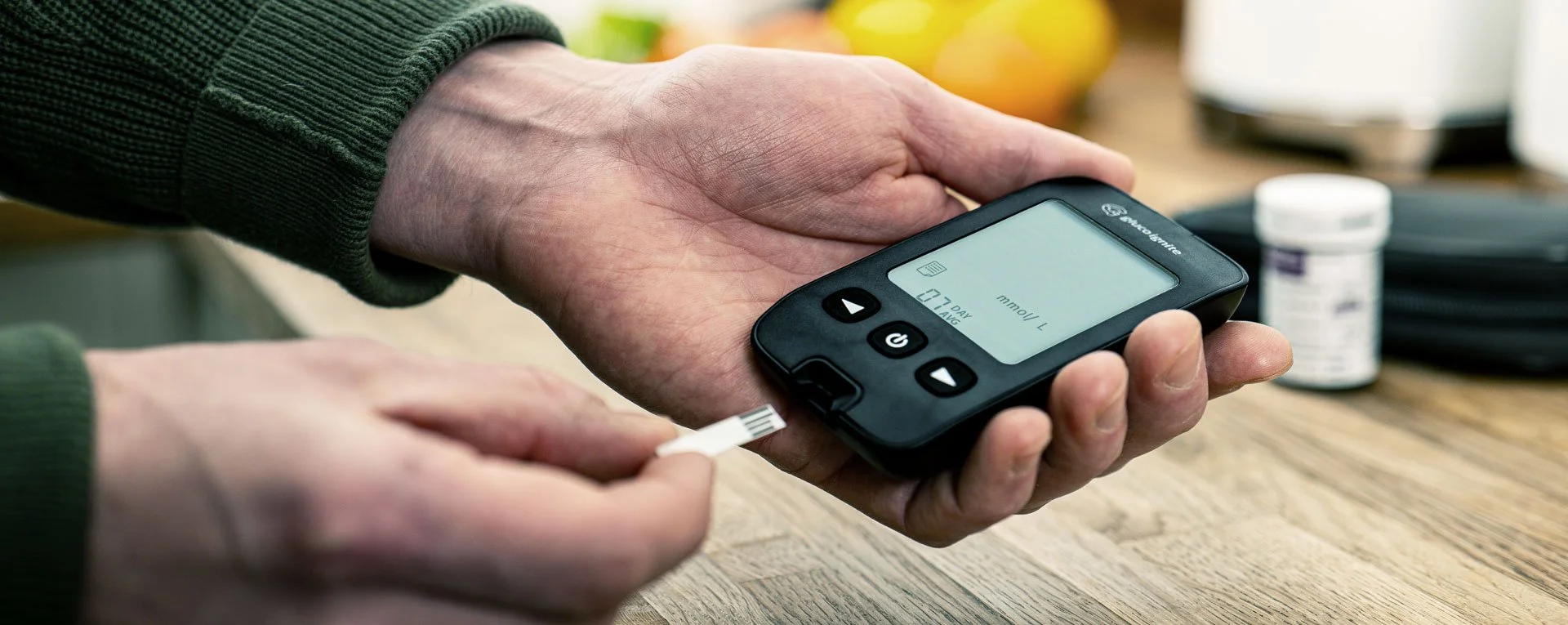
Monitor blood sugar regularly as advised.
Take medications as prescribed.
Manage stress and quit smoking.
Attend regular check-ups with your healthcare team.
Join diabetes support groups for emotional support and learning.

Changing Lifestyle
Healthy Eating: Adopting a balanced diet that focuses on whole foods, high in fibre, and low in added sugars can help control blood sugar levels.
Physical Activity: Staying as active as possible aids in improving insulin sensitivity and overall glycaemic control.
Weight Management: Maintaining a healthy weight or working towards weight loss can positively impact diabetes management.
Responsibility: Take personal responsibility for day-to-day diabetes management. Your actions play a crucial part in managing the condition.
Type 2 Diabetes Responsibility
Taking responsibility for your type 2 diabetes serve essential purposes: managing blood sugar levels and reducing the risk of diabetes-related complications.
Is there an answer to type 2 diabetes? Well, there are possibilities:
Diabetes Remission
Some people with type 2 diabetes can achieve remission through lifestyle changes and weight loss, meaning their diabetes goes into a state whereby they don't need diabetes medications anymore.
Knowledge: Arm yourself with information about diabetes. The more you know, the more confident you'll become in managing your condition effectively.
Achievable Goals: Implement the goals outlined in your care plan into your daily routine. Consistency is key to successful management.
Honesty: Honesty aids in creating an appropriate care plan. Provide accurate information about your health.