

Blood Glucose
What are blood sugar levels?
Blood sugar levels, also known as blood glucose levels, indicate the amount of glucose present in your blood. Glucose is derived from the food and beverages you consume.
For individuals living with diabetes, blood sugar levels fluctuate more frequently and significantly throughout the day compared to those without diabetes.
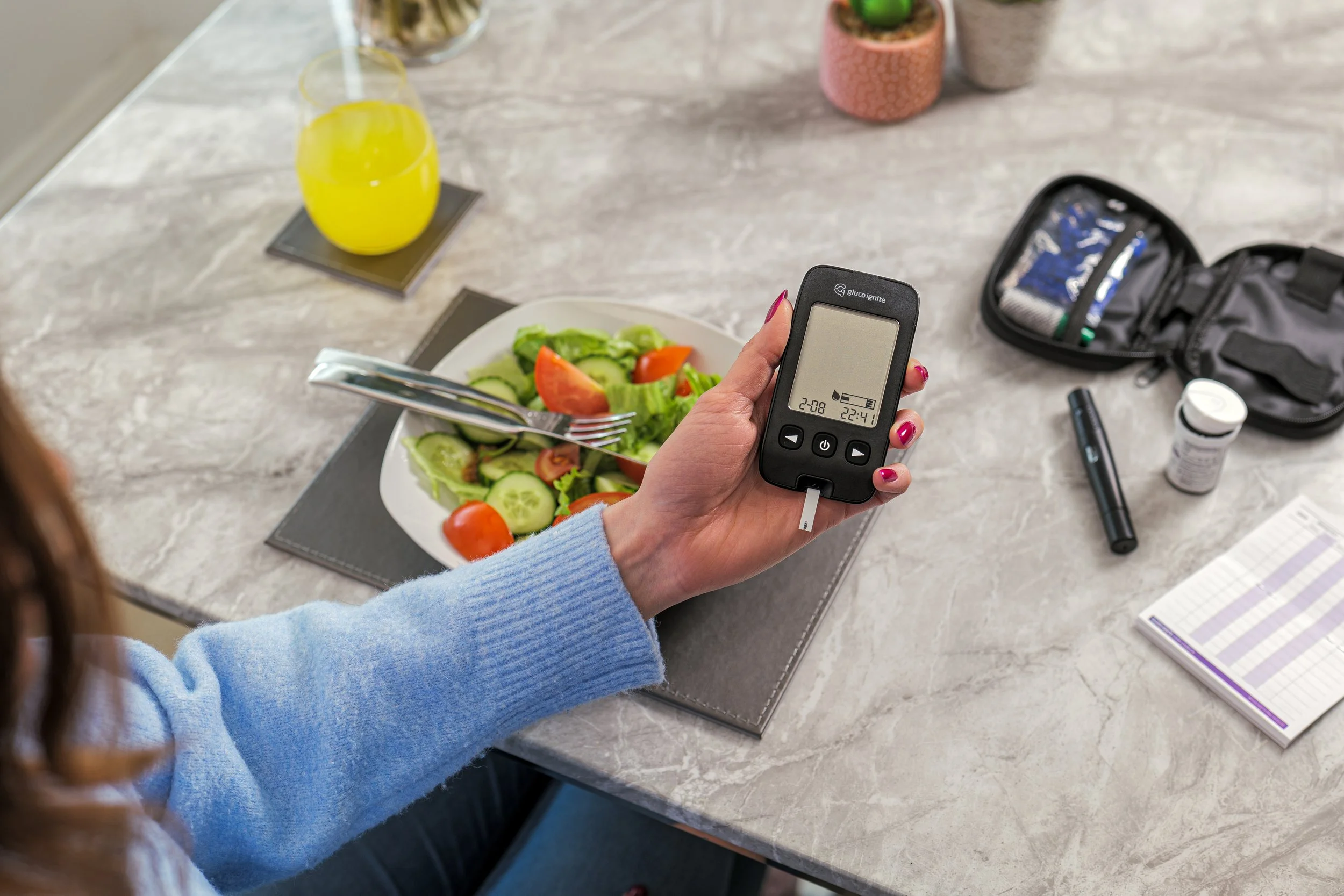
Can I check my own blood sugar?
Monitoring blood sugar levels can be done through a finger-prick test or by using an electronic blood sugar monitor, which there are many variations of.
Regular monitoring allows you to stay informed about your levels throughout the day, helping you make informed decisions about your diet and medication. It is important to determine your ideal target range.
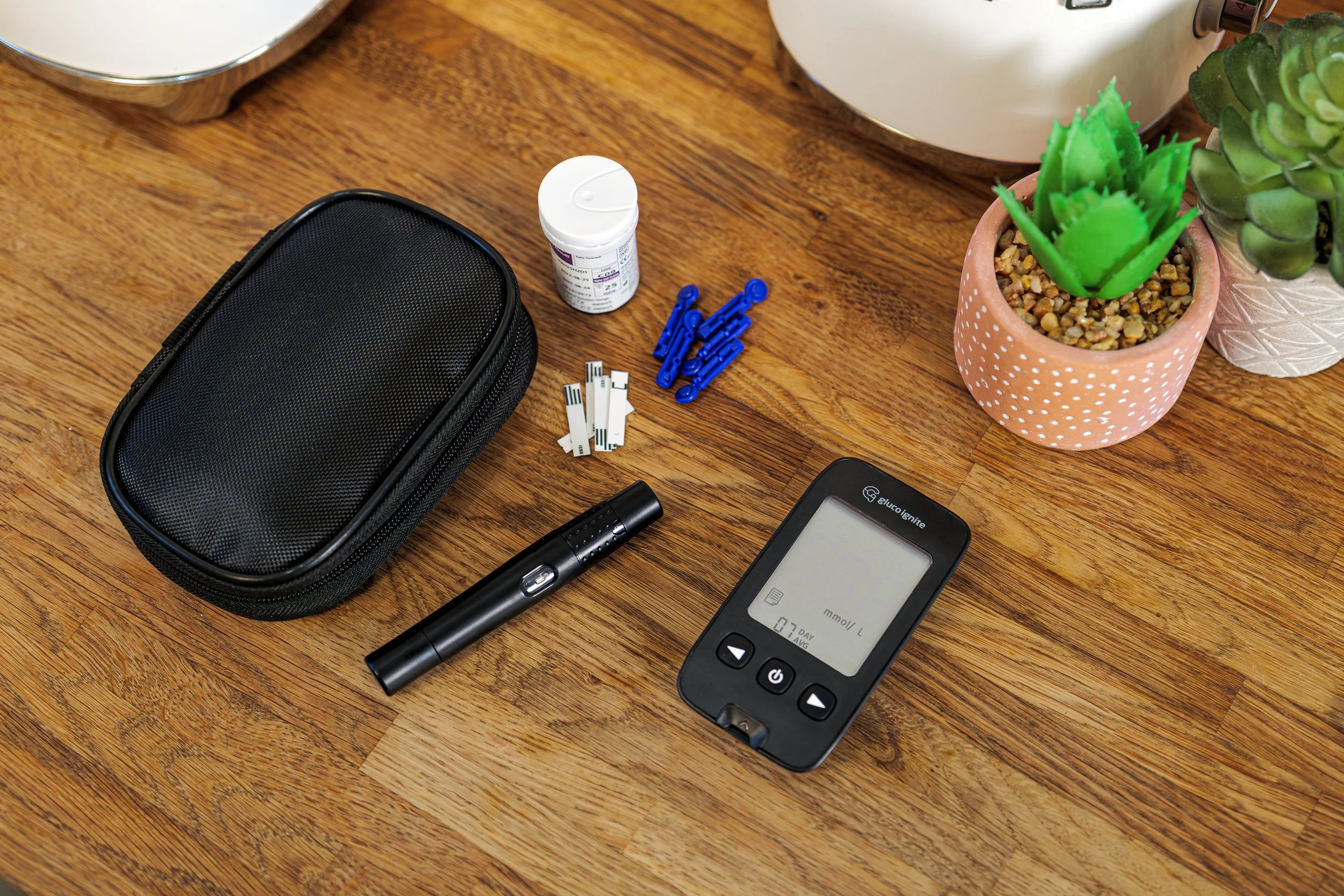
Not everyone with diabetes needs to monitor their levels in this manner. If you are unsure whether it applies to you, consult your healthcare team for guidance on self-monitoring frequency and necessity. Additionally, an HbA1c test, which measures average blood sugar levels over the past three months, is recommended for all individuals with diabetes.
Maintaining awareness of your blood sugar levels is crucial, as high levels increase the risk of developing severe complications associated with diabetes.

Why test blood sugar levels?
Monitoring blood sugar levels is vital for individuals taking certain medications such as insulin. It helps determine when additional medication is necessary, when food intake is needed, or when physical activity should be increased.